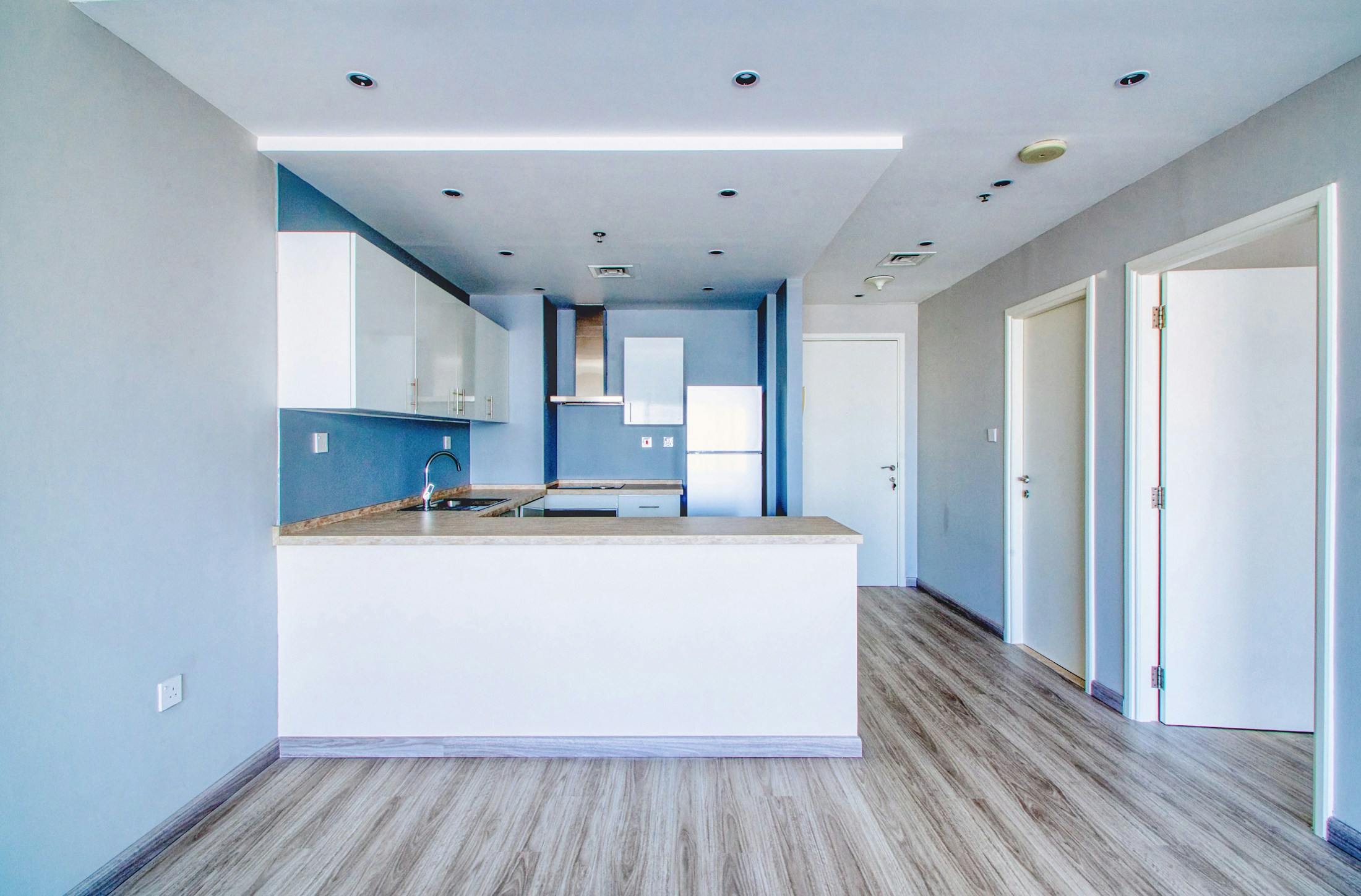
Six Weeks Of Showings: Keeping A Unit Presentable Without Cleaning It Weekly
A unit is cleaned once for showings and then shown for five weeks, and the gap between those two facts is where most of the cost sits.
Two situations that get treated as one
An empty unit being shown and an occupied unit being shown have almost nothing in common. In the empty one you control everything and the only question is cost. In the occupied one you control nothing and the only question is what you can reasonably ask of someone who still lives there.
Scheduling them the same way is how a manager ends up paying for weekly cleans of an empty apartment, or having an awkward conversation with a resident about a unit that is still their home.
The empty unit: one proper clean, then touch-ups
An empty apartment generates very little. Dust settles, the entry picks up marks from agents and visitors, water spots appear in the bathroom if the taps are run, and the air goes stale within days of being closed up.
So the pattern that costs least is a full clean before the first showing and then short visits, timed to the showings rather than the calendar. A touch-up is twenty to forty minutes and covers the entry, the floors on the traffic path, the bathroom, the kitchen surfaces, the glass, and airing the place out. Booking full cleans instead is paying turnover rates for dust.
What a touch-up between showings covers
- Entry floor and door, which take almost all of the traffic marks.
- Floors along the path people actually walk, rather than the whole floor area.
- Bathroom: toilet, sink, mirror, and a wipe of the shower, since agents run the taps.
- Kitchen surfaces and the sink, plus the inside of the fridge if it is running.
- Glass and any window in the room the unit is sold on.
- Air the unit out and open blinds to a set position, so it presents the same way every time.
The single highest-return item is airing. A closed apartment smells closed within a week, and that is the first thing anybody notices when the door opens.
The occupied unit is a scheduling problem, not a cleaning one
Give notice properly and give it in a pattern the resident can plan around, which usually means a fixed window a few days a week rather than requests as they come. A resident who can predict the showings will keep the apartment ready far more reliably than one who is being surprised.
Ask for specific things rather than a standard. Surfaces clear, dishes away, bins out, floors done, personal items put away, lights on. That list is achievable in twenty minutes and is what actually changes how the unit shows. Asking someone to have their home clean is asking for a judgement, and it produces friction without producing a result.
What is fair to offer a resident
A cleaning visit paid by the owner during the showing period is the version that works. It costs less than an extended vacancy, it removes the friction from every subsequent showing, and it changes the relationship from a demand into an arrangement.
It is also the right move commercially if the unit is being shown while somebody is packing, because a unit with boxes in it shows badly regardless of how clean the surfaces are, and no amount of asking fixes that.
Where the showing period ends and the turn begins
None of this replaces the make-ready. The touch-ups keep a unit presentable for viewing, and the full turnover clean still happens after the resident leaves and after paint and repairs, in that order.
Building it into the schedule is simple: one clean at the start of showings, a touch-up before each block of viewings, and the full turn at the end. Priced out over a six week vacancy, that is usually less than half of what repeat full cleans cost.
The end-of-tenancy version is apartment turnover cleaning, what a full clean covers is in the cleaning checklist, and touch-up visits are priced separately on apartment cleaning pricing.
Good answers before a cleaner shows up.
How often should a vacant unit be cleaned during showings?+
One full clean before the first showing, then short touch-ups timed to the viewings rather than to the calendar. An empty unit generates dust, entry marks, and stale air, and little else.
What should a touch-up between showings include?+
The entry, floors along the walking path, the bathroom, kitchen surfaces, glass, and airing the unit out. Twenty to forty minutes rather than a full visit.
What can you ask a resident to do before a showing?+
Specific items: surfaces clear, dishes away, bins out, floors done, personal items away, lights on. Asking for a clean apartment is asking for a judgement and produces friction instead of a result.
Should the owner pay for cleaning during a showing period?+
Usually yes in an occupied unit. It costs less than extended vacancy, removes friction from every showing, and turns a demand on the resident into an arrangement.
Related apartment cleaning guides
Make-Ready Or Deep Clean: Which One Are You Actually Buying?
One is defined by a deadline and a standard, the other by how much has accumulated, and buying the wrong one is how a unit misses its date.
Read guideHow Long Apartment Turnover Cleaning Takes, And Where It Fits
A sequencing guide for anyone holding a turn schedule, including the two mistakes that cost a day each.
Read guideA Unit That Sat Empty: What Changes Before The Next Showing
A unit cleaned in March and shown in June is not a clean unit, and the difference is entirely predictable.
Read guideWant the apartment handled by a cleaner?
Pick the clean type, share apartment details, and get a clear estimate before you choose a time.
Start booking