Nail Holes And Wall Marks At Move-Out: Cleaning Or Damage?
A practical split between marks that wipe off, marks that need patching, and marks that are going to be a conversation regardless.
Try cleaning before you assume it is damage
A surprising share of what looks like damage is dirt. Scuffs from furniture, black marks along a hallway, fingerprints around switches, and the grey band behind a sofa are surface deposits, and they come off.
Warm water with a drop of dish soap on a soft cloth handles most of it. Work in a small circle and check as you go, because the risk on painted drywall is not the mark, it is scrubbing hard enough to take the sheen off the paint. A clean patch of dull wall next to normal wall is more noticeable than the scuff was.
What usually counts as normal wear
- Small nail or pin holes from hanging pictures.
- Faded paint, especially on a wall that gets sun.
- Light scuffs along baseboards and in hallways.
- Minor marks behind furniture that sat in one place for a year.
- Small carpet flattening where the sofa legs stood.
Leases and local rules differ on this, so read yours rather than relying on a general list. What is consistent is that ordinary use over a normal tenancy is expected, and a landlord repainting between residents is a routine cost rather than something charged to you.
What usually counts as damage
- Anchor holes and toggle bolt holes, which are much larger than a nail hole.
- Holes with crumbling edges, or anywhere the drywall paper tore.
- Gouges, dents, and anything that went through to the board.
- Adhesive hooks pulled off with a layer of paint attached.
- Crayon, marker, and anything that soaked into the paint rather than sitting on it.
- Mounting plates for a TV, unless the lease said they were allowed.
The patching question
Filling small holes with spackle is quick, and it is only an improvement if it disappears. A row of white dots on a beige wall reads worse than the holes did, and touching up with a paint that does not match makes it worse again, because paint fades and a fresh patch of the original color still shows.
The practical rule: fill and sand small holes flush if you can leave them unpainted on a white wall, and leave everything else alone rather than half-fixing it. If the lease asks you not to patch, do not patch. Some buildings prefer to handle walls themselves and charge less for the whole wall than for undoing an amateur repair.
Photograph the walls before you clean
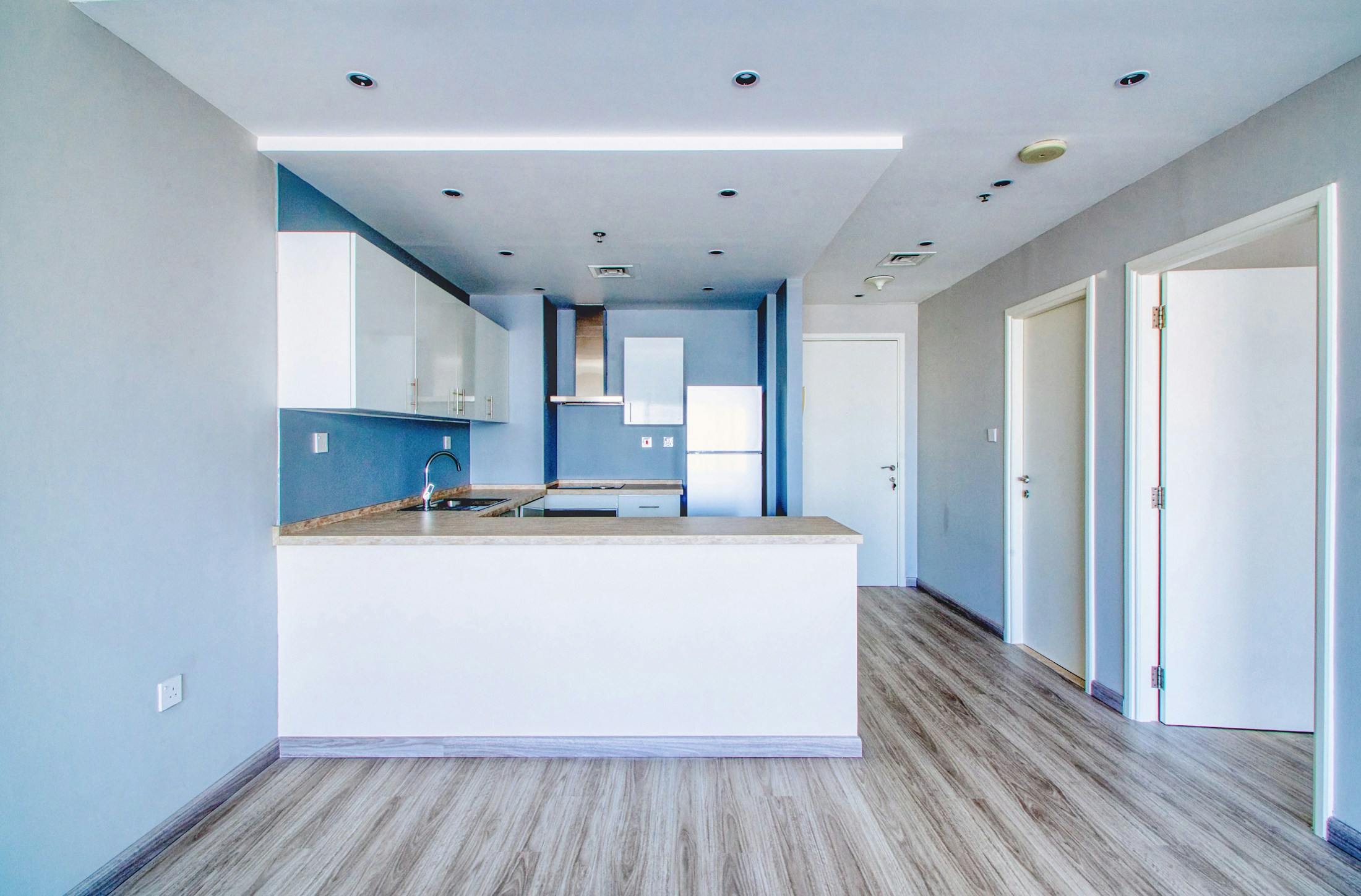
Take photos of every wall while the apartment is still furnished, then again when it is empty and cleaned. Get the corners, behind where furniture stood, and any mark you are unsure about. Photograph the marks you decided not to fix too.
This is the part people skip and regret. Months later a wall dispute comes down to who has a dated image, and a set of clear photos ends most of these conversations before they start. Keep them with your move-in photos, if you took those, because the pair is what shows what changed during your tenancy.
Where a move-out clean fits
Cleaning removes marks, and it does not remove holes. Being clear about that split before the walkthrough saves the argument where a landlord treats a repair as a cleaning failure, or where you pay for cleaning expecting it to fix a gouge.
What a move-out cleaning does cover is walls wiped, marks worked, baseboards, switch plates, door frames, and everything else on the inspection list, with a receipt for your records. The cleaning checklist shows exactly what is inside that scope.
Good answers before a cleaner shows up.
Do nail holes count as damage in an apartment?+
Small nail and pin holes are usually treated as normal wear, while anchor holes, torn drywall, and gouges are repairs. Your lease and local rules decide it, so check yours rather than assuming.
Should I patch nail holes before moving out?+
Fill and sand small holes flush only if the result actually disappears. A visible patch or a mismatched touch-up looks worse than the hole, and some leases ask you not to patch at all.
How do I get scuff marks off apartment walls?+
Warm water with a drop of dish soap on a soft cloth, worked gently. Stop before you take the sheen off the paint, because a dull clean patch stands out more than the scuff did.
Can a landlord charge for repainting?+
Repainting between residents is normally a routine cost rather than a tenant charge, unless there is actual damage to the walls. Rules vary by location, so read your lease and check local tenant rules.
Related apartment cleaning guides
Apartment Inspection Cleaning Checklist: What To Clean Before A Landlord Visit
A practical renter checklist for routine inspections, maintenance visits, lease checks, and last-minute notices that are about cleanliness, access, and obvious issues.
Read guideWhat To Do If Your Landlord Charges A Cleaning Fee After You Already Cleaned
A practical, non-legal guide for renters who cleaned the apartment but still received a move-out cleaning charge.
Read guideThe Week Before You Hand Over The Keys: A Move-Out Timeline
Seven days ordered by what can be done early and what has to wait, so the last morning is photos and keys rather than scrubbing.
Read guideWant the apartment handled by a cleaner?
Pick the clean type, share apartment details, and get a clear estimate before you choose a time.
Start booking